AI Automation Engineer
Trevor Moore
I build production AI systems on my own, from spec to app store: agent workflows on Claude, scraping and outreach engines, video pipelines and full-stack apps. Each one is verified before it ships.
Irmo, SC. Working remotely.
- 4years building and shipping solo
- 1,921automated tests in Vantage
- 907programmatic SEO pages at launch
- 100+AI generated 3D models
Case studies
Multi-agent Claude Code orchestration
Six role specific agents, routed across three models by cost.
Architecture drawn from my own Claude Code configuration: the orchestration rules and the agent definitions.
Problem
One model doing everything is slow and expensive, and nobody checks its work. I wanted cheap models on the cheap tasks, a strong model making the calls, and an independent pass on every change.
What I built
A director on Opus plans and writes briefs. Sonnet implementers write the code, a separate Sonnet verifier runs builds, tests and screenshots, and a Haiku scout does the searching. Two verifier failures escalate up a ladder. Hooks enforce the routing and log token spend per agent, and 17 MCP servers give the agents their tools.
Stack
- Claude Code
- Claude API
- MCP
- Hooks
- Skills
- Opus
- Sonnet
- Haiku
Measurable result
- 6custom agents
- 17MCP servers
- 456tool definitions
- 6hooks
I also wrote 2 custom MCP servers and 13 Claude Code skills.
Vantage
Cross-venue prediction-market intelligence for Kalshi and Polymarket.
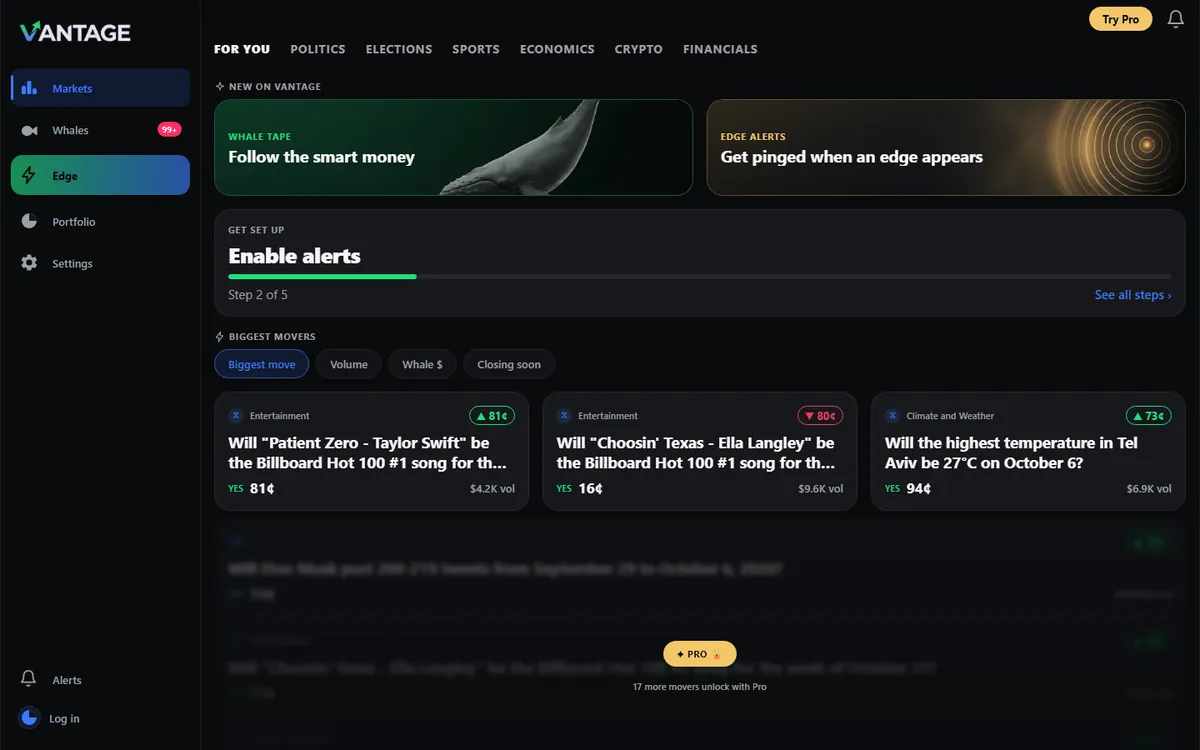
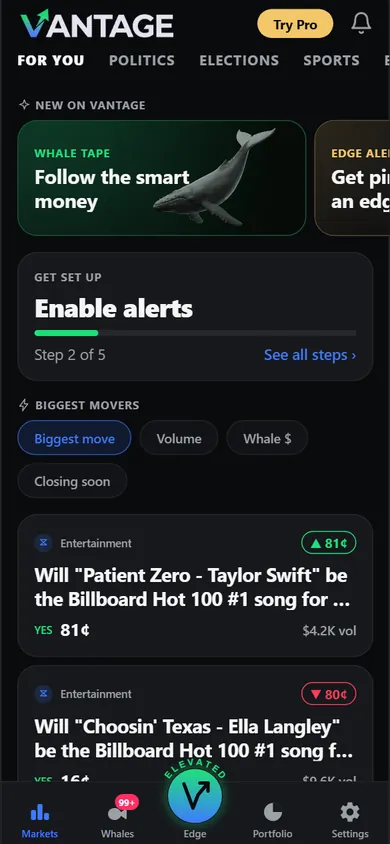
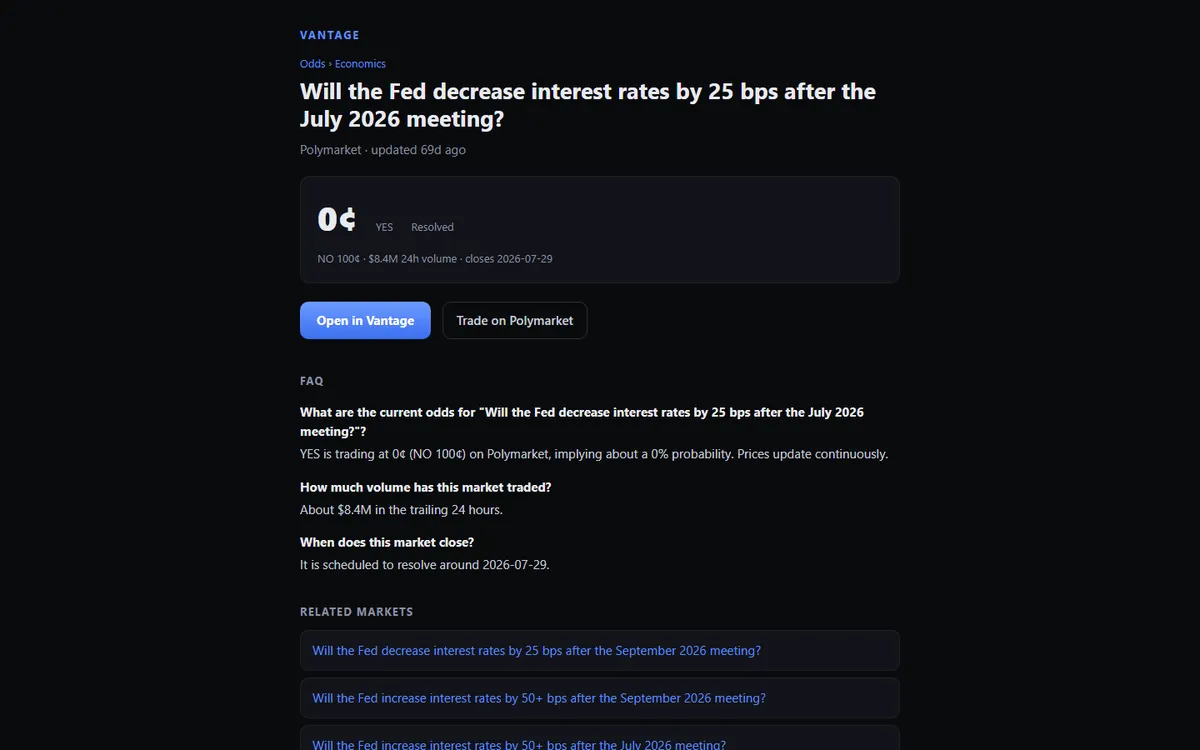
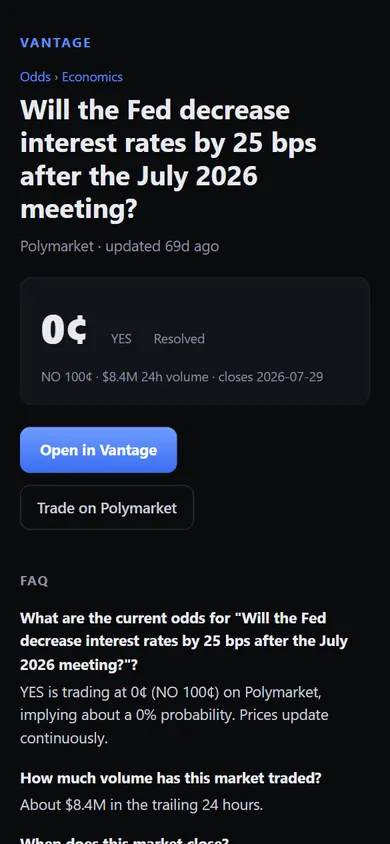
Playwright screenshots of the live site, getvantage.app.
Problem
Prediction-market traders watch Kalshi and Polymarket in separate tabs. A new app also starts with no audience, so search had to bring people in from day one.
What I built
A single app on web, Windows desktop, iOS and Android. The Claude API matches the same market across venues, with a lexical fallback when it cannot. I launched 907 programmatic SEO pages and grew the sitemap to 1,831 URLs with IndexNow. App Store and Google Play submission ran through their APIs from Windows.
Stack
- TypeScript
- Expo
- React Native
- Node
- Hono
- SQLite
- Drizzle
- Fly.io
- Electron
- RevenueCat
- Sentry
- Vitest
- Jest
Measurable result
- 907SEO pages at launch
- 1,831sitemap URLs later
- 1,921automated tests
- 105commits
About 40 production releases on Fly.io.
AI Visibility Fix outreach engine
Audits that show a store how often AI search cites it, sold in three tiers.
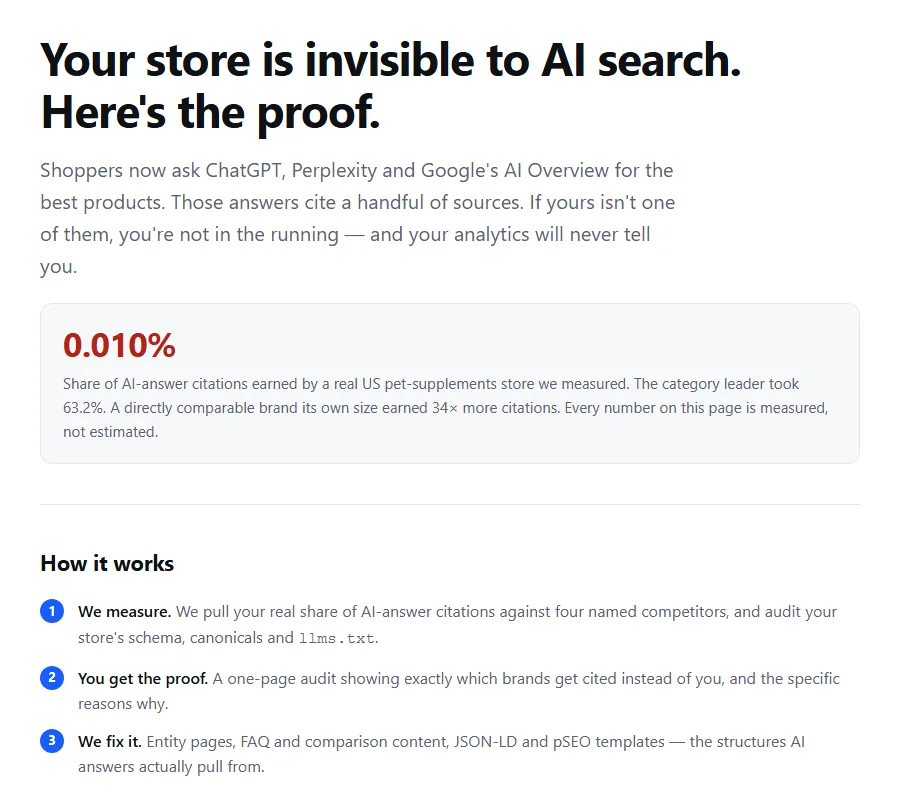
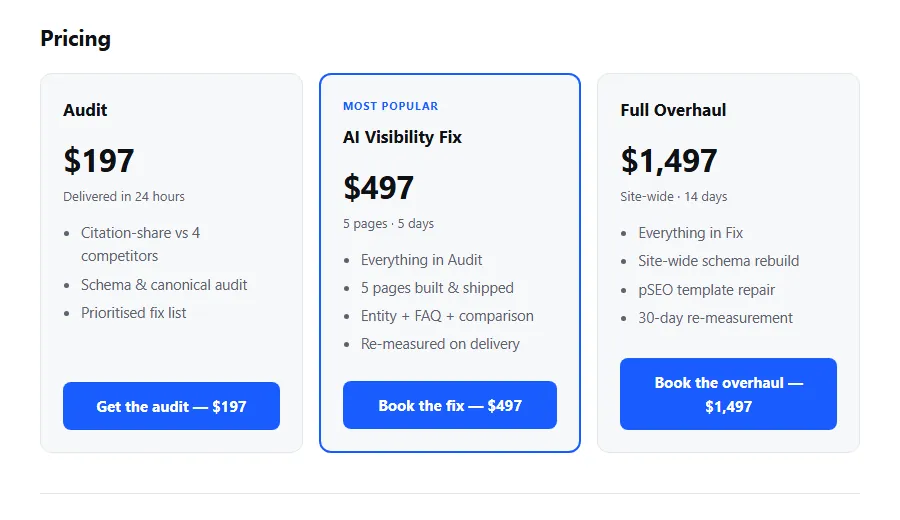
Playwright screenshot of the public offer page.
Problem
Shoppers now ask AI engines what to buy, and most small stores never get cited. Owners cannot see it in their analytics, so the pitch has to bring the proof.
What I built
A Python engine that finds prospects, scrapes each store, measures its share of AI citations against named competitors and publishes a one page audit. Claude drafts the outreach. A three tier Stripe offer sits behind it, and the mail goes out from a separate sending domain to protect deliverability.
Stack
- Python
- requests
- BeautifulSoup
- OpenRush
- Apify
- Claude
- Stripe
- GitHub Pages
Measurable result
- 81audits generated
- 3offer tiers
- 21commits
Tiers are $197, $497 and $1,497.
Houseflick listing video pipeline
Fresh listings in, finished 30 second videos out.
Pipeline diagram. I kept sample renders off the site because they use third party listing photos.
Problem
Real-estate agents want a video for every new listing, and editing each one by hand does not scale. Reaching them by cold email needs deliverability work before the first send.
What I built
Apify pulls new Realtor and Redfin listings. Remotion and ffmpeg render each one with an ElevenLabs voice and licensed music in vertical and horizontal H.264. Around it sits the email infrastructure: 4 domains, 9 inboxes warming, RFC 8058 one click unsubscribe and per inbox send ramps, with an outreach core covered by 82 tests.
Stack
- TypeScript
- React
- Remotion
- ffmpeg
- ElevenLabs
- Apify
- Python
- Cloudflare Pages
- Stripe
Measurable result
- 30second videos
- 2output formats
- 4domains
- 9inboxes warming
- 82tests on the outreach core
Shopify ops automation for Embervale
A heating and home store with 257 products and 24 collections.

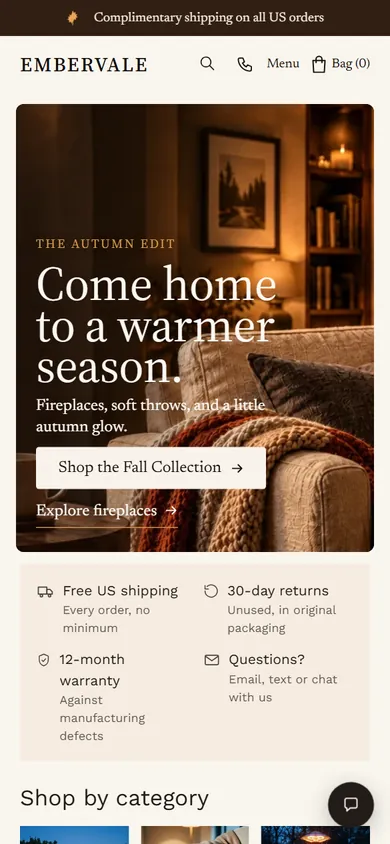
Playwright screenshots of the live storefront, embervalehome.com.
Problem
A catalog this size drifts. Prices, stock, collections and shipping rules go stale when someone has to check them by hand.
What I built
I automated the daily ops checks, the catalog batch imports and the shipping profile optimization, so the store runs on a routine instead of a to-do list.
Stack
- Shopify
- Claude Code
- MCP
Measurable result
- 257products
- 24collections
- 3automated routines
AI 3D asset pipeline
From a ChatGPT concept to an optimized, logged game asset.
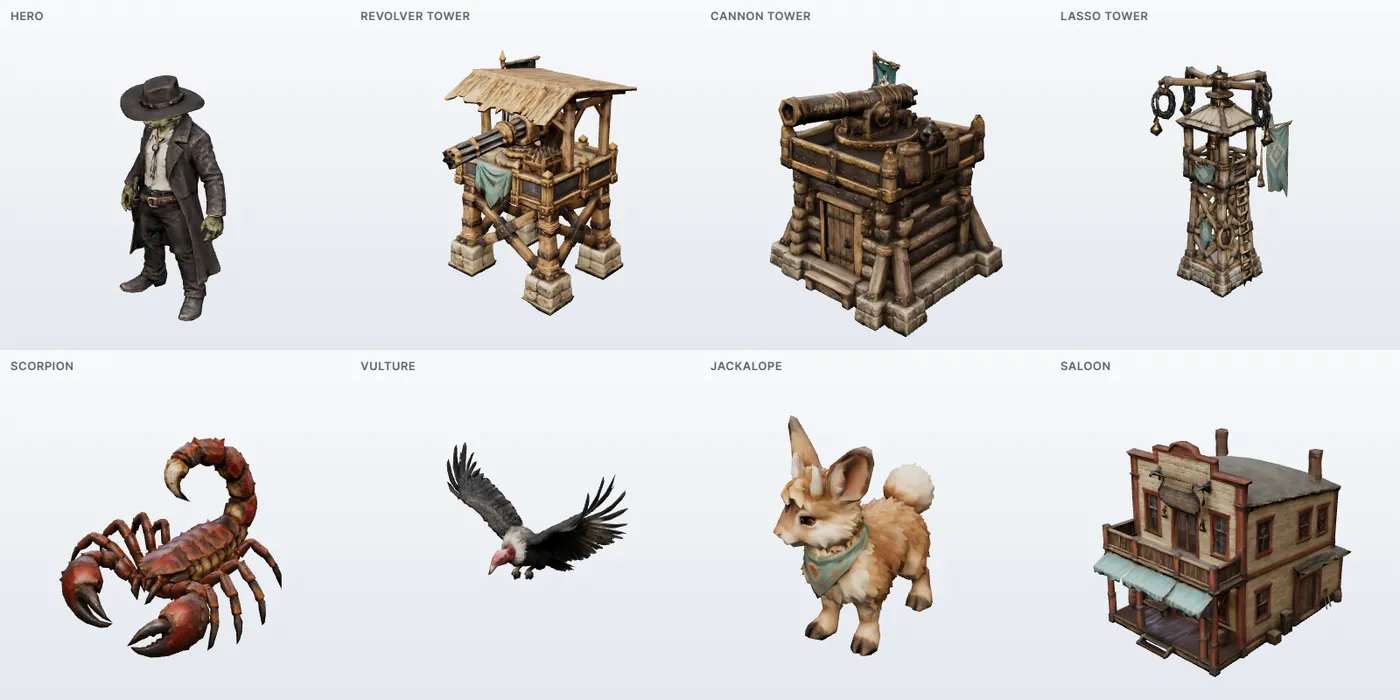
Rendered by me in a headless three.js page with Playwright, from GLB files out of the pipeline.
Problem
Games need many consistent 3D assets, and raw image-to-3D output varies a lot in quality. I needed a repeatable path with a quality gate, not a pile of one-off generations.
What I built
ChatGPT makes the concept, Tripo turns the image into 3D, and glTF-Transform optimizes the file for the web. Every asset gets a ledger entry with its hash, credit cost and QA result. I packaged the whole loop as a Claude skill. The models feed a Three.js game and a Unity 6 creature-collector RPG with 168 C# scripts and a full battle system spec.
Stack
- ChatGPT
- Tripo
- glTF-Transform
- Three.js
- Unity 6
- C#
- Claude skills
Measurable result
- 100+AI 3D models
- 168C# scripts
- 371tests passing in the web game
How I work
Spec first
I write the goal, the constraints and the acceptance criteria before any code. A brief a fresh agent can execute beats a clever prompt.
Tests
Vantage ships with 1,921 automated tests and the Houseflick outreach core with 82. If it can be tested, it gets a test.
Verification
The agent that writes the code never grades it. A separate verifier runs the build, the tests and real screenshots.
Cost routing
The cheapest model that can do the job does it. Stronger models plan and judge, and escalation only happens after two failures.